What is Dyslexia?
Here are 5 facts everyone should know about dyslexia.
Dyslexia is a very common learning difference that affects the development of reading, spelling and writing skills. Some children with dyslexia may also experience difficulties with working memory, processing speed, mathematics and organization.
5 Facts About Dyslexia
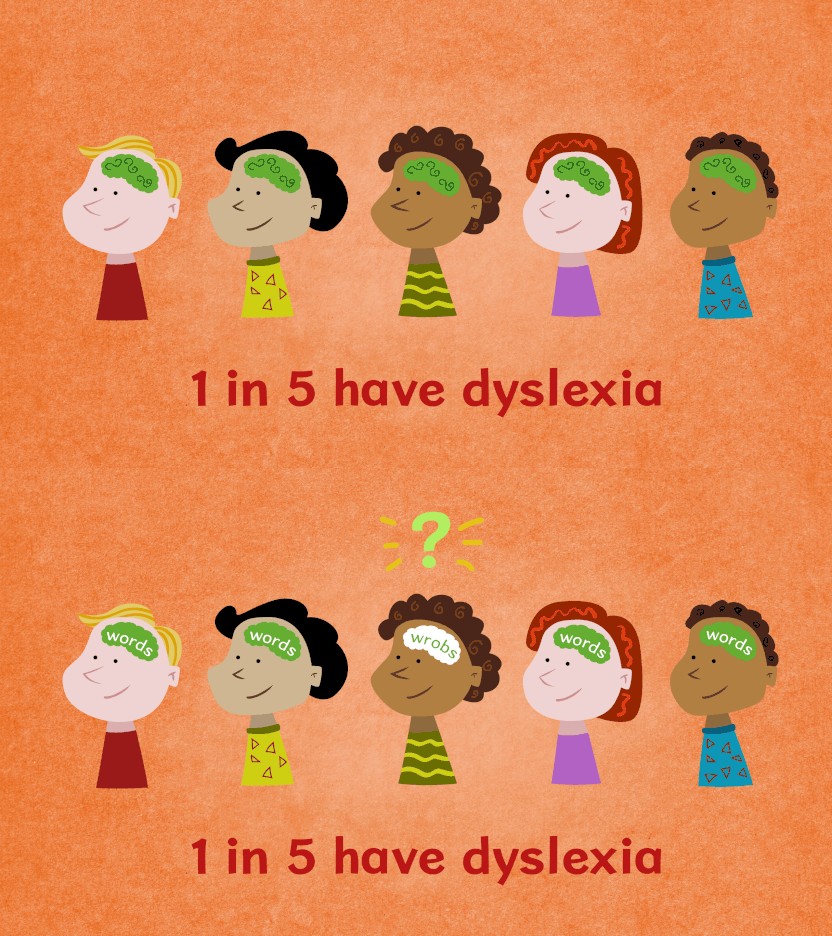
1. 10-20% of people have dyslexia (1).
As many as 1 in 5 people have dyslexia and it affects just as many boys as girls (2).
In fact, for most people who struggle to read and write, the cause will be dyslexia.
2. With the right instruction, people with dyslexia can learn to read.
Even when reading skills develop, difficulties with spelling and written expression may persist and require additional support.
3. Intelligence is not affected.
Dyslexia is not a measure of intelligence. Children with dyslexia have the same range of intellectual abilities as other children. Being dyslexic does not mean a child is less intelligent or exceptionally gifted.
“It has nothing to do with how intelligent you are. You can be extremely bright and still have dyslexia.”
Tim Tebow
4. Early identification followed up with the right teaching approach, gives people the best chance of overcoming their difficulties.
People with dyslexia can succeed at school and in their careers, but many face unnecessary barriers without appropriate instruction and support. With the right support, they can develop their skills, build confidence and reach their full potential.
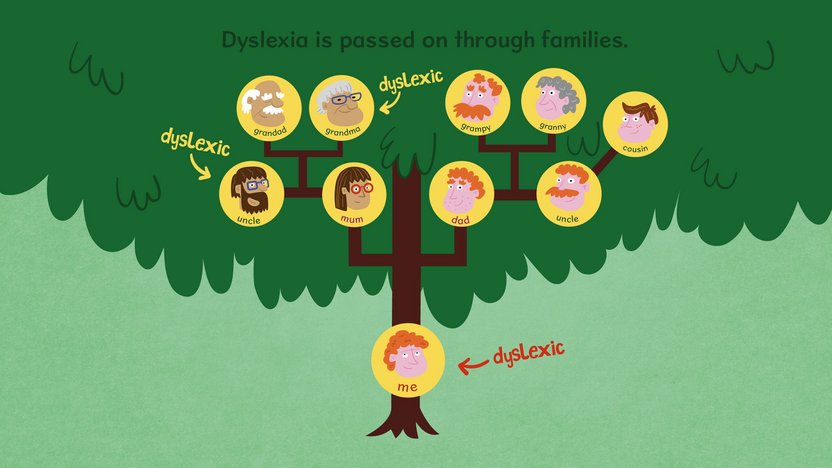
5. Dyslexia is genetic
Dyslexia often runs in families. Children with a parent or sibling who has dyslexia are more likely to have dyslexia themselves. However, not all children with a family history will develop dyslexia, and some children have dyslexia despite having no known family history.(3).
(1). The Yale Center for Dyslexia and Creativity
(2). Prevalence of Reading Disability in Boys and GirlsResults of the Connecticut Longitudinal Study
(3). Is Dyslexia Genetic?