The Effects of the Nessy Reading and Spelling Program Used in a General Educational Setting
View the case study white paper here.
Date: June 2017
The study documents a longitudinal comparison over 2.5 years from 2014-16, of a digitally delivered phonics program to a paper-based phonics program. 22 children from two different kindergarten classes were followed from the middle of their kindergarten year, until the middle of their second grade year. One class used the Nessy individualized program, and another class used Saxon Phonics, a paper-based program delivered to the whole class by a certified teacher. The literacy development of all the students was monitored three times per year using the DIBELS 4 measure and compared to students within the same year groups in over 22,000 schools, in records held by the University of Oregon’s Data System.
Could a digital phonics program (Nessy), delivered individually, ever compare in quality to a whole class teaching approach taught with traditional paper-based books and worksheets?
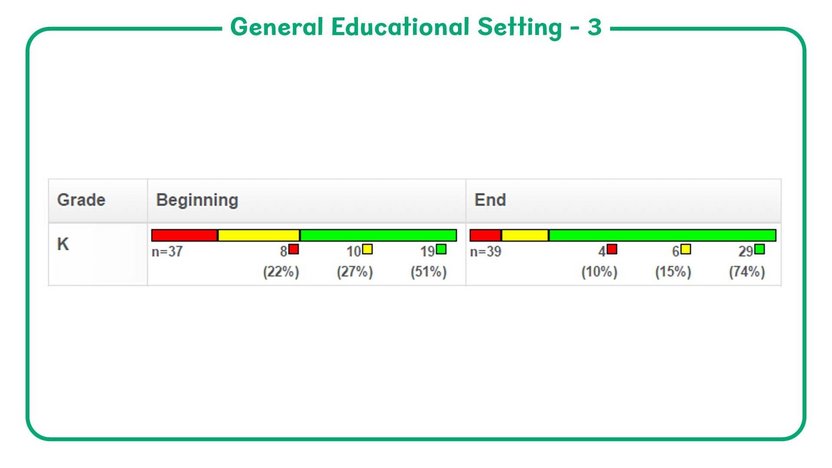
In a two-classroom case study (11 pupils per class, one teacher per program), the class using Nessy moved from 51% to 74% of pupils meeting the DIBELS benchmark between mid-kindergarten and mid-second grade. The design cannot separate the effect of the program from the effect of the teacher.
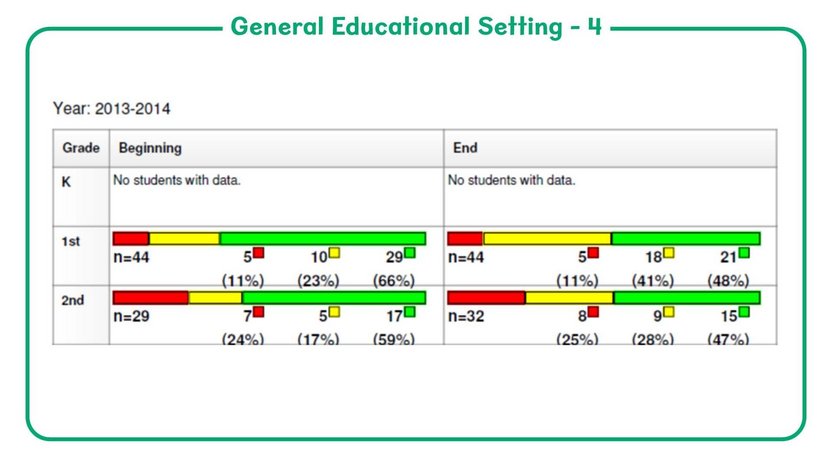
When 1st grade children were first assessed, 40% of them were meeting minimum grade level benchmarks. After instituting Nessy Reading & Spelling the number of 1st grade children reaching grade level benchmarks increased from 40% to 64% (green).
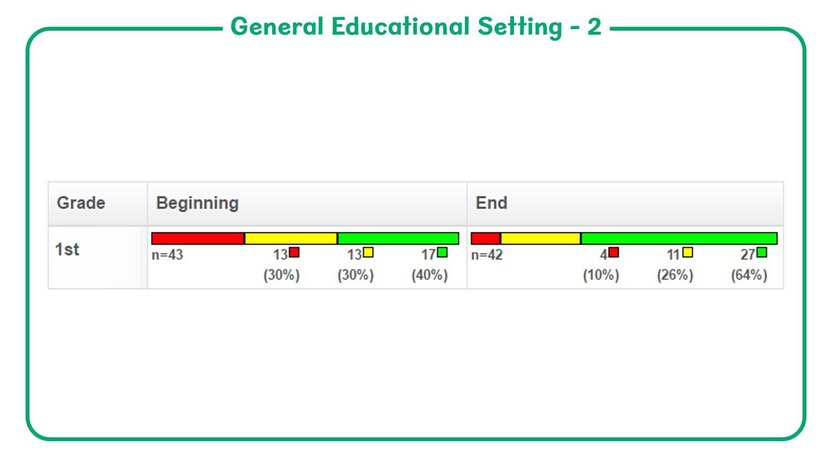
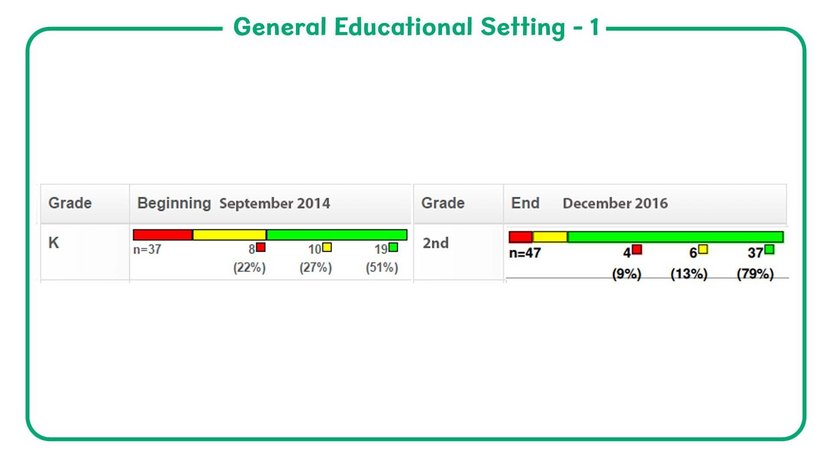
The students were followed for 2.5 years to see if this progress was maintained. Mid way through their 2nd grade year, 79% of these students were meeting grade level benchmarks.
This represents a growth of 31 percentile points placing these students in the top 10% of the national sample.